
CUT-RESISTANT GLOVES – PROTECTION WHEN WORKING WITH SHARP BLADES
Protection against cut injuries in food processing
When processing food, especially when cutting meat, vegetables or other products, there is an increased risk of cut injuries. Working precisely with knives requires reliable protective equipment.
Cut-resistant gloves provide an effective solution to reduce injuries caused by sharp blades while ensuring safe and controlled handling.
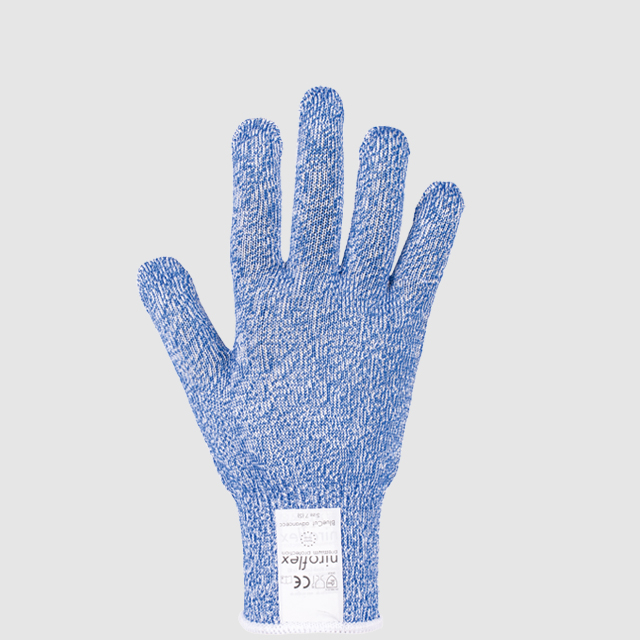

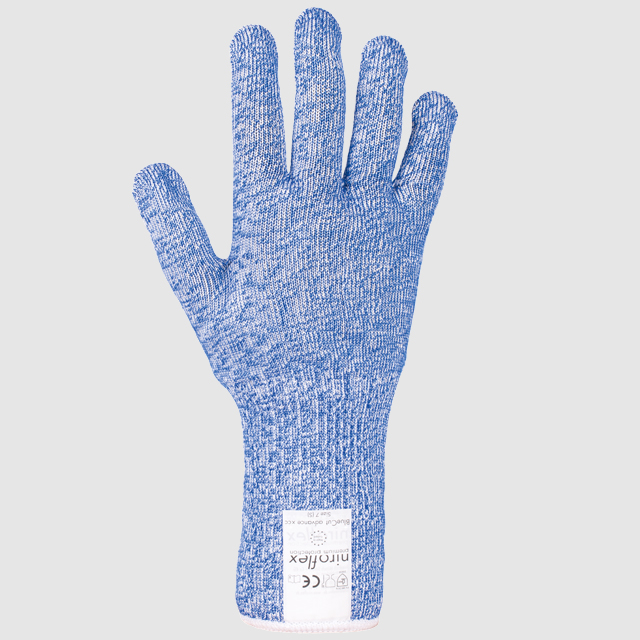

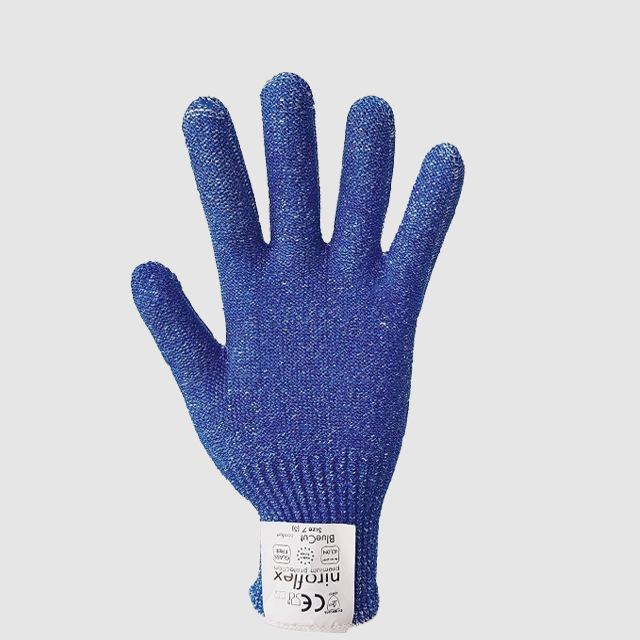

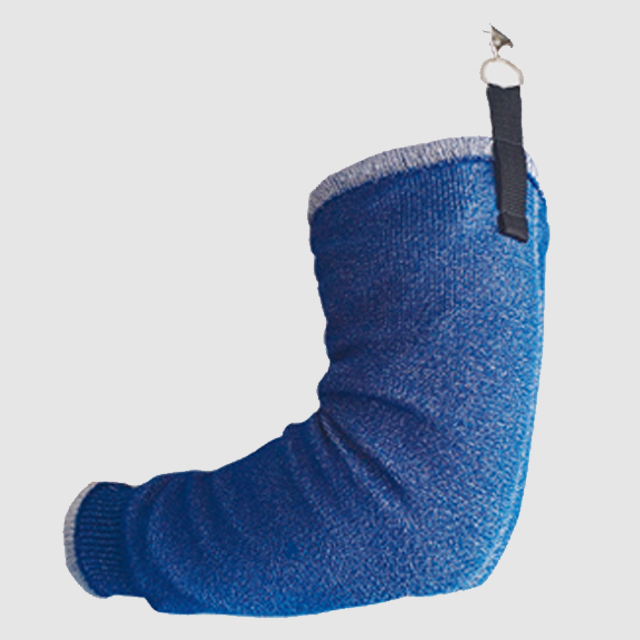

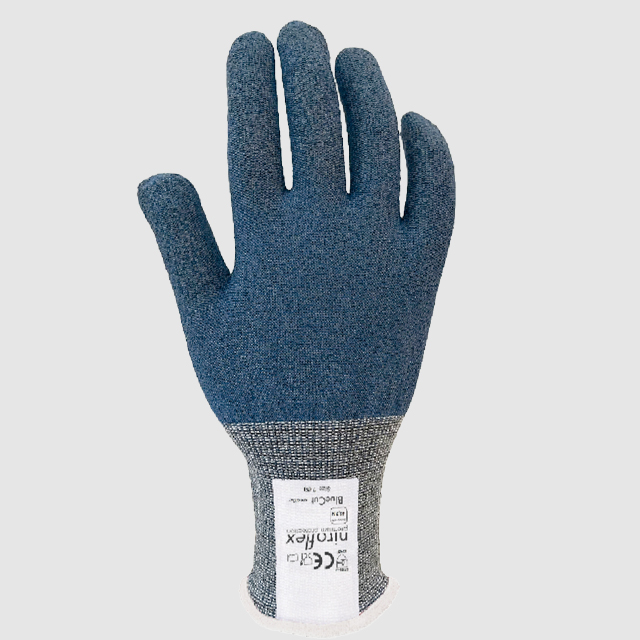

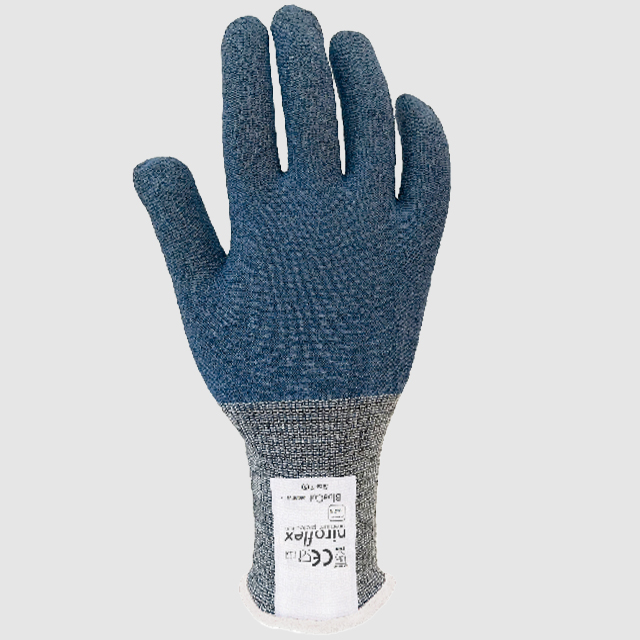

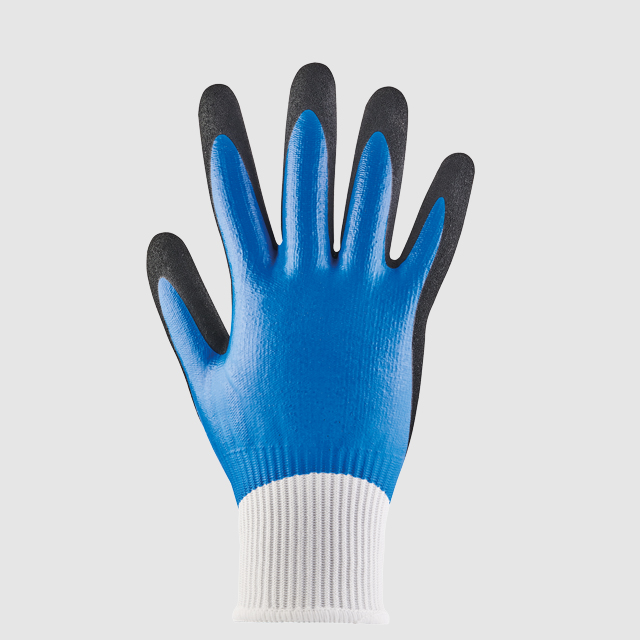

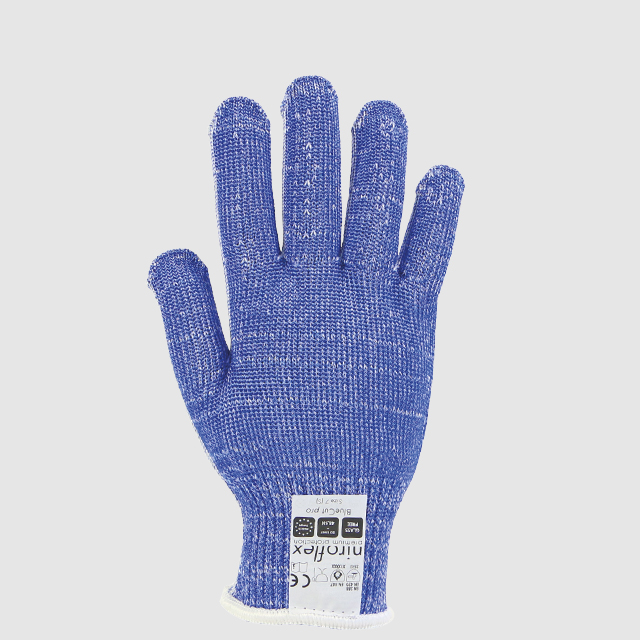

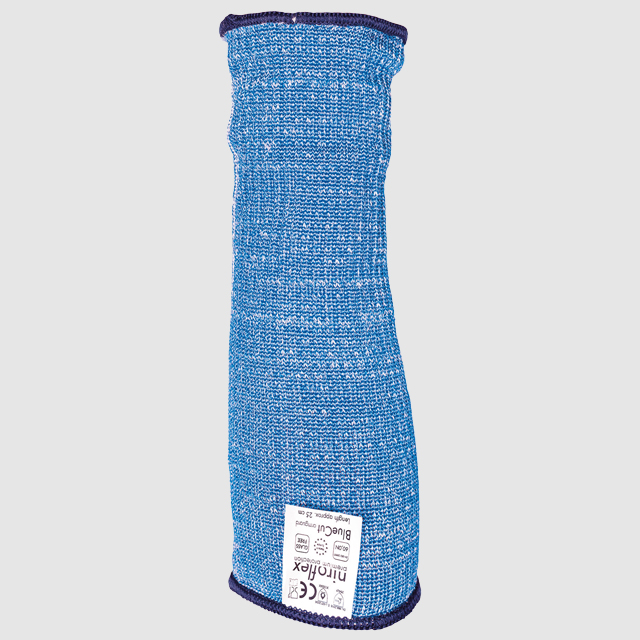

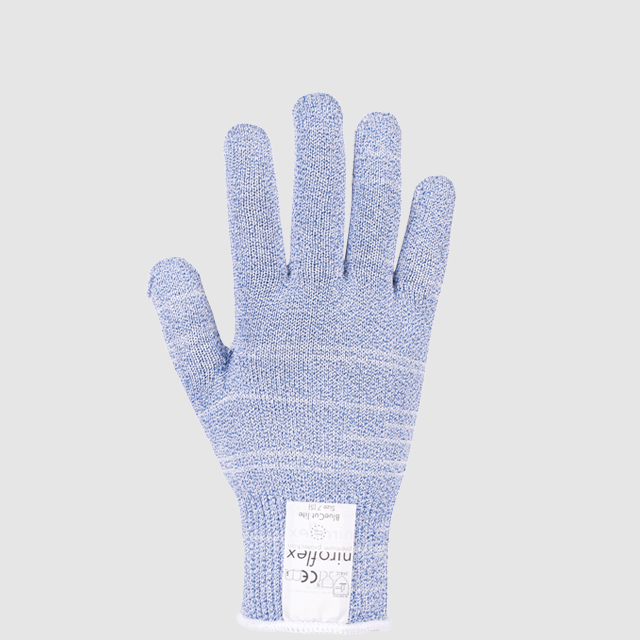

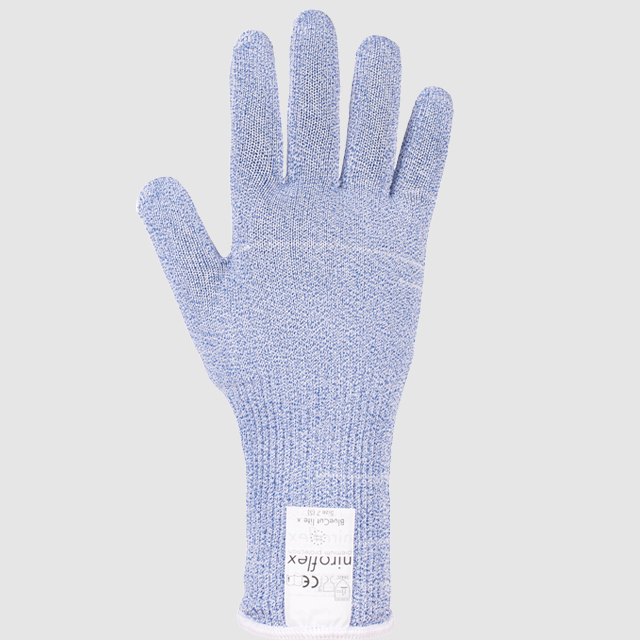

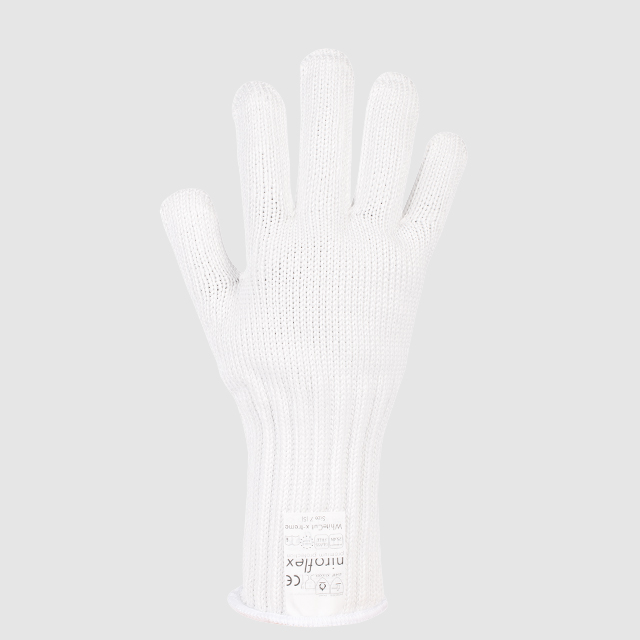

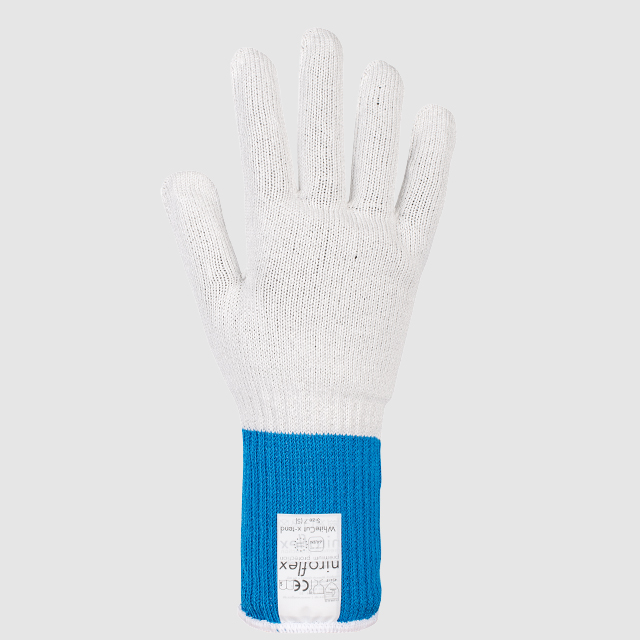

Areas of application for cut-resistant gloves
Cut-resistant gloves are used wherever sharp blades are involved. They are essential in many areas of food processing to prevent injuries and maintain safe workflows.
Typical applications include:
- cutting and slicing tasks in food processing
- portioning and trimming
- processing meat, fish and vegetables
- industrial food production
Difference between cut-resistant gloves and puncture-resistant gloves
Cut-resistant gloves are designed to reduce the risk of injuries caused by sharp blades.
Puncture-resistant gloves, on the other hand, protect against localized injuries caused by pointed objects such as bones.
Selecting the appropriate protective equipment depends on the specific task.
Materials and properties
Cut-resistant gloves are typically made from high-performance fibers that provide strong resistance to cuts while maintaining flexibility.
Depending on the design, gloves differ in protection level, comfort and intended use.
Choosing the right cut-resistant gloves
The selection of suitable cut-resistant gloves depends on the specific requirements of the working environment. Factors such as cutting intensity, flexibility and working conditions should be considered.
The right choice helps ensure safe and efficient work processes.
Frequently asked questions about cut-resistant gloves
When are cut-resistant gloves used?
Cut-resistant gloves are used whenever work involves sharp blades, for example during cutting, slicing or processing food.
What is the difference between cut protection and puncture protection?
Cut-resistant gloves reduce the risk of injuries caused by sharp blades, while puncture-resistant gloves protect against injuries caused by pointed objects.
What materials are used?
Cut-resistant gloves are typically made from special fibers that provide high resistance to cuts while remaining flexible.
Are cut-resistant gloves suitable for food processing?
Yes, they are widely used in food processing to improve safety and reduce the risk of injuries.
Are there different protection levels?
Yes, cut-resistant gloves are available in different protection levels depending on the application.
Can cut-resistant gloves be used in industrial environments?
They are used both in the food industry and in other sectors where sharp tools are involved.